
Cultural perspectives on gambling Exploring beliefs and practices around the world
Historical Roots of Gambling
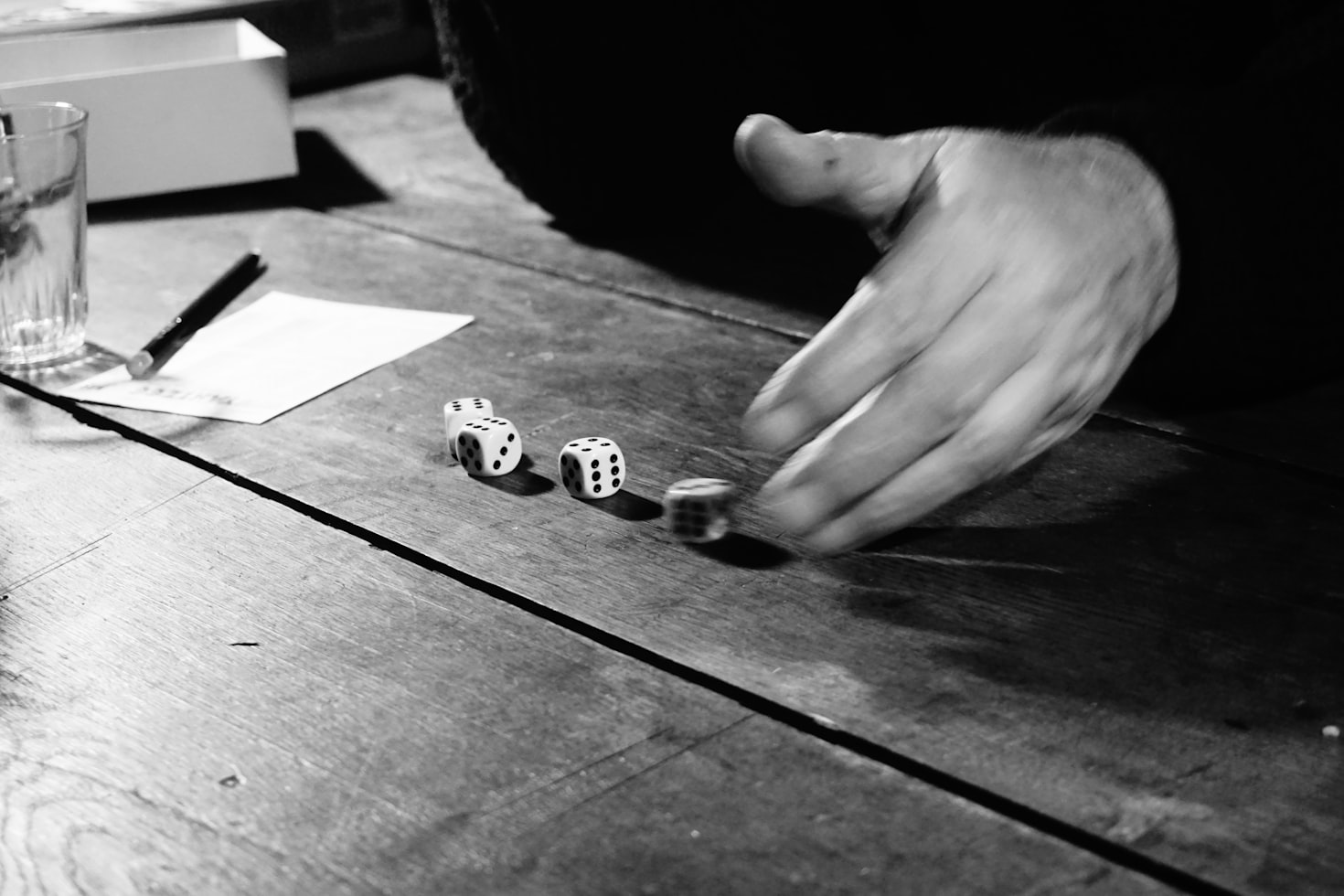
The history of gambling stretches back thousands of years, with roots that can be traced to ancient civilizations. In Mesopotamia, around 3000 BC, dice made from bones were used for gaming, while the Chinese created a rudimentary lottery system as early as the Han Dynasty. These early forms of gambling reveal a societal fascination with chance and risk, embedding the practice deeply within cultural frameworks. As societies evolved, gambling took on various forms, often reflecting local customs and moral beliefs. Many people now seek platforms like msspins.net to explore these diverse forms of gaming.

In many cultures, gambling was not merely a pastime but intertwined with social rituals and religious beliefs. The Romans hosted games of chance during festivals, while in medieval Europe, gambling was often seen as a test of one’s fortune granted by the divine. These historical contexts illustrate how gambling served as a lens for understanding luck and fate, mirroring broader existential queries within different societies.
As globalization progressed, so too did gambling practices, leading to a mix of traditional beliefs and modern influences. The adaptation of gambling practices to fit contemporary societal norms demonstrates the dynamic nature of cultural beliefs surrounding risk and chance. Thus, historical perspectives on gambling provide a foundational understanding of its evolution and significance across cultures.
Gambling in Eastern Cultures
In Eastern cultures, gambling often intertwines with family, tradition, and social dynamics. For example, in China, gambling is deeply rooted in festivals and celebrations, such as the Lunar New Year, where games like Mahjong bring families together. The practice is not simply about winning money; it embodies a sense of community and shared experience, making it integral to social cohesion. As community values shift, the significance of gambling evolves as well.
Moreover, certain Eastern cultures, such as those in Japan, have specific legal frameworks governing gambling, balancing tradition with modern regulations. Pachinko parlors serve as a unique blend of entertainment and gambling, where players engage in skill and chance. In these environments, the emotional experience of playing is often as significant as the monetary stakes involved, showcasing how gambling can transcend mere financial considerations.
Cultural beliefs regarding luck and fate also heavily influence gambling practices in Eastern societies. Concepts such as Feng Shui in Chinese culture highlight how the environment impacts one’s fortune. This belief not only shapes gambling habits but also affects how individuals approach life decisions, illustrating the broader cultural lens through which gambling is perceived.
Western Perspectives on Gambling
In contrast to Eastern viewpoints, Western attitudes towards gambling have evolved significantly, especially with the rise of Las Vegas as a global gambling hub. Here, gambling is often viewed as a form of entertainment, encapsulating the excitement of risk-taking in a structured environment. This has led to a normalization of gambling, with casinos seen as recreational venues rather than illicit spaces, reflecting shifts in societal perceptions over time.
The regulatory framework surrounding gambling in Western cultures varies widely, with some countries embracing more liberal policies, while others maintain strict controls. For instance, online gambling has surged in popularity in countries like the United Kingdom, where regulation ensures player protection and responsible gaming. This evolution mirrors changing societal values regarding personal freedom and responsibility, shaping how communities engage with gambling.
Furthermore, Western perspectives often emphasize the psychological implications of gambling, including addiction and its societal impact. The emergence of support systems and treatment options for problem gambling demonstrates a growing awareness of the potential risks involved. These discussions contribute to a more nuanced understanding of gambling as both a cultural pastime and a potential social issue.
Gambling and Religion
Gambling’s relationship with religion varies significantly across cultures, often leading to conflicting views. In certain Islamic cultures, gambling is strictly forbidden, reflecting deeper spiritual beliefs that equate it with moral corruption. This prohibition shapes community norms and individual behaviors, leading to alternative forms of entertainment that align with religious values. In these contexts, gambling is often seen as contrary to the principles of hard work and divine providence.
Conversely, some religious traditions view gambling as an acceptable activity when practiced within certain limits. For example, in some Christian communities, lotteries may be embraced as a means of fundraising for charity. This acceptance illustrates how religious interpretations can influence cultural practices, allowing for some flexibility while still adhering to broader moral guidelines.
These religious perspectives on gambling highlight the complex interplay between belief systems and societal behavior. By understanding these dynamics, one gains insight into how cultural norms shape individual choices and broader societal views on gambling, reflecting the diverse ways in which people find meaning in chance and risk.
Modern Gambling Platforms and Cultural Integration
With the rise of technology, modern gambling platforms have transformed traditional practices, making gambling accessible worldwide. Online casinos and gaming apps have integrated cultural elements into their offerings, catering to diverse audiences while respecting local customs. This technological shift allows for the dissemination of various gambling practices, fostering a global community of players who share similar interests.
Moreover, online platforms often embrace cultural narratives in their game designs, incorporating folklore and local traditions that resonate with players. This not only enhances user experience but also serves to educate players about different cultural perspectives on gambling. As a result, online gambling transcends mere monetary transactions, becoming a cultural exchange that deepens global connections.
However, this globalization of gambling practices raises questions about the preservation of cultural identity. As traditional forms of gambling encounter modern technologies, there is a need to strike a balance between embracing innovation and honoring cultural heritage. Understanding how these dynamics play out can illuminate the future of gambling as a cultural phenomenon in an increasingly interconnected world.
About Msspins Casino
Msspins Casino stands at the forefront of modern online gambling, offering an extensive collection of games that reflect global gaming culture. With over 2,500 games available, including slots and table options, the platform caters to a wide range of player preferences. Launched under the licensing of the Malta Gaming Authority, Msspins emphasizes security and player protection, ensuring a safe environment for its users.
The casino’s welcoming approach, featuring a generous three-part bonus for new players, invites individuals to explore its offerings confidently. Instant deposits and quick withdrawals enhance the overall gaming experience, allowing players to immerse themselves in their favorite games without hassle. Msspins Casino not only prioritizes player satisfaction but also fosters a community where diverse cultural perspectives on gambling can converge.