
The psychology behind risk-taking in gambling behavior
The allure of risk-taking in gambling
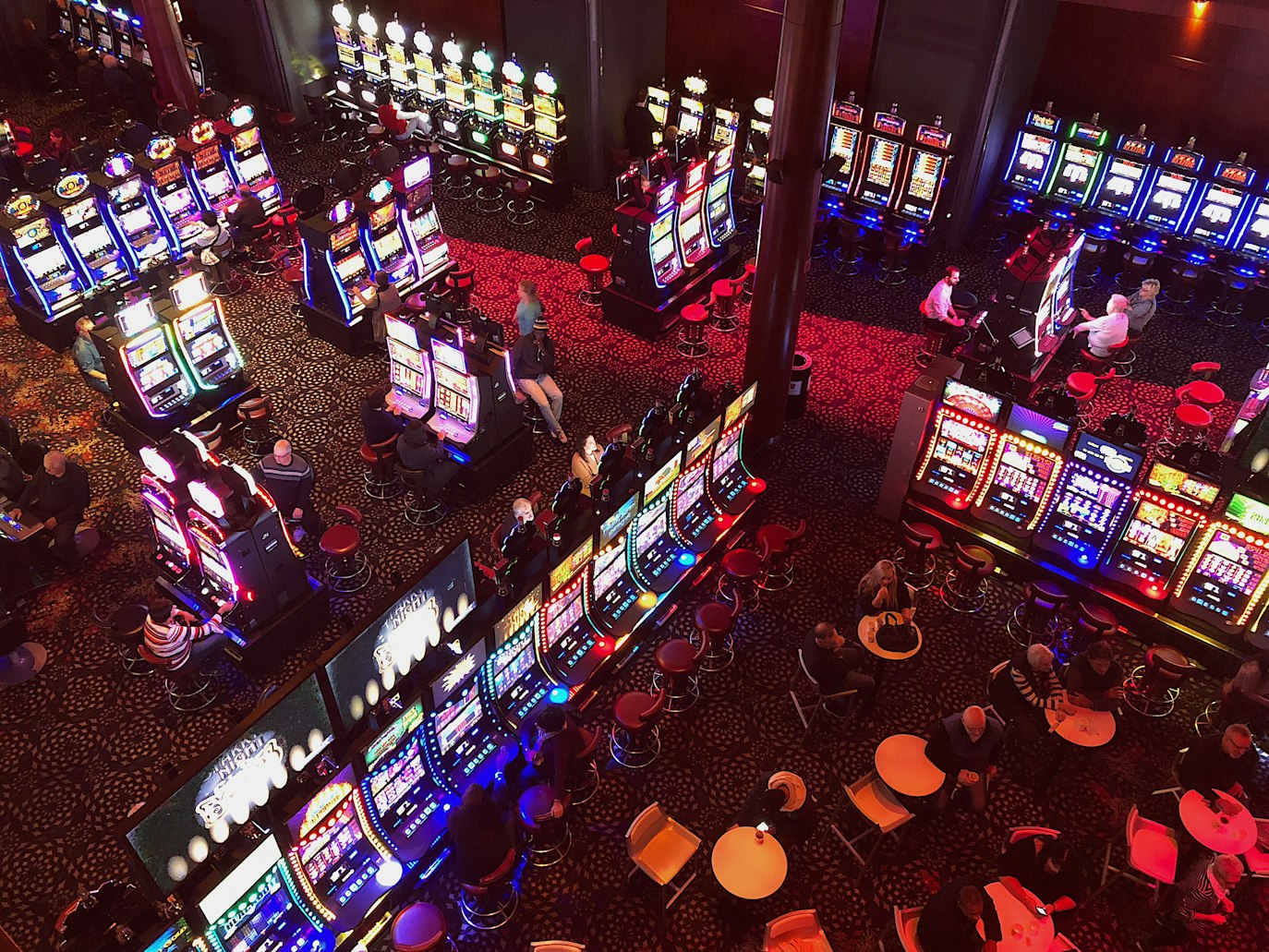
The allure of risk-taking in gambling is deeply ingrained in human psychology. The thrill of possibly winning a significant amount of money can overshadow the potential losses, leading individuals to take risks that they might otherwise avoid in their daily lives. This attraction is often amplified by the environment of a casino, filled with flashing lights and engaging sounds that create a euphoric atmosphere, further encouraging impulsive decisions. For those seeking an exciting gaming experience, hadesbet provides a diverse selection of options, catering to various preferences. Gamblers often feel a rush of adrenaline, which can create a sense of euphoria, making the experience addictive.

Moreover, the concept of “near misses” plays a crucial role in reinforcing risk-taking behavior. When players experience near wins, such as getting two out of three symbols on a slot machine, their brains can perceive this as a sign that a win is imminent. This psychological phenomenon can lead to increased gambling as players chase the thrill of that next near win, unaware that it often perpetuates their losses rather than leading to success.
Another psychological factor contributing to risk-taking is the illusion of control. Many gamblers believe they have the ability to influence outcomes through their choices or strategies, despite the inherent randomness of gambling. This belief can lead to overconfidence, causing individuals to take risks they wouldn’t normally consider, as they convince themselves that their actions can alter the odds in their favor. The combination of these psychological elements creates a fertile ground for persistent gambling behavior.
The impact of cognitive biases on gambling behavior
Cognitive biases significantly influence gambling behavior, often leading individuals to make irrational decisions. One prominent bias is the confirmation bias, where gamblers tend to seek out information that supports their belief in a particular strategy or game, disregarding evidence to the contrary. This can lead to a dangerous cycle of reinforcing poor gambling habits, as players become more entrenched in their beliefs, often resulting in increased financial losses.
Anchoring bias is another cognitive distortion that affects how gamblers perceive odds and outcomes. When players focus on a particular number or experience, it can skew their judgment regarding future bets. For instance, if someone wins a substantial amount of money on a specific game, they may unconsciously anchor their expectations to that amount, leading them to place larger bets in hopes of replicating their success. This misjudgment can escalate risk-taking behavior, resulting in significant financial consequences.
The gambler’s fallacy also plays a critical role in decision-making. This bias involves the belief that past events can influence future outcomes in a game of chance. For example, a player may believe that after a series of losses, a win is due. This misconception can lead to escalating bets and increased risk-taking as players chase their losses, often resulting in a downward spiral of gambling behavior. Understanding these cognitive biases can help in recognizing unhealthy gambling patterns.
The role of social and environmental factors in gambling
Social dynamics and environmental factors contribute significantly to risk-taking behavior in gambling. Peer influence can play a pivotal role, where individuals may feel compelled to gamble due to the behavior of friends or family. This social validation can create a perception that gambling is acceptable or even expected, which may lead to increased risk-taking, especially among younger individuals looking to fit in.
Furthermore, the gambling environment itself is designed to encourage risk-taking. Casinos often employ strategies like offering free drinks, utilizing eye-catching décor, and providing enticing bonuses to draw players in and keep them engaged. This atmosphere can create a sense of urgency and excitement, prompting gamblers to take risks they might not take in a more subdued setting. The sights and sounds of the casino can amplify emotions, making it easier for individuals to lose track of time and money.
The emergence of online gambling platforms has also shifted social dynamics, as players can engage in gambling from the comfort of their homes. This accessibility can lead to increased risk-taking, as individuals may not feel the immediate consequences of their actions. Online chat rooms and forums further foster a sense of community, reinforcing gambling behavior among users and normalizing high-risk gambling practices. Understanding these social and environmental factors is essential in addressing gambling behaviors and developing healthier practices.
The neuroscience of gambling addiction
The neuroscience behind gambling addiction reveals profound insights into why individuals engage in risk-taking behavior. Research indicates that gambling activates the brain’s reward system, triggering the release of dopamine, a neurotransmitter linked to pleasure and reward. This release reinforces the behavior, creating a cycle where the individual seeks out the high associated with potential wins, often ignoring the consequences of losses.
Neuroimaging studies have shown that the brains of compulsive gamblers exhibit altered functioning in areas responsible for impulse control and decision-making. This dysfunction can impair an individual’s ability to assess risk realistically, leading them to pursue gambling despite knowing the potential for financial ruin. These neurological changes can exacerbate the compulsion to gamble, making it increasingly difficult to break free from the cycle of addiction.
Understanding these neurological underpinnings can provide valuable insights for treatment and prevention strategies. Therapeutic approaches that focus on altering the brain’s reward response, such as cognitive-behavioral therapy, can be beneficial. By addressing the underlying neurological factors, individuals may be better equipped to resist the allure of gambling and make more informed decisions regarding risk-taking.
Exploring safe gaming practices at Hades Bet Casino
At Hades Bet Casino, we recognize the importance of understanding the psychology behind risk-taking in gambling behavior. To promote responsible gaming, we offer resources and information aimed at helping players make informed decisions about their gambling habits. Our platform encourages users to set limits on their spending and time, ensuring a balanced approach to gaming that prioritizes enjoyment over risk.
We also provide educational materials that delve into the psychological aspects of gambling, helping players understand the risks involved and the factors that can lead to unhealthy gambling behavior. By fostering a culture of awareness, we aim to empower our users to make thoughtful choices, reducing the prevalence of impulsive betting driven by psychological triggers.
Ultimately, our goal at Hades Bet Casino is to create a safe and enjoyable environment for all players. We believe that by understanding the psychology behind gambling, individuals can engage with our platform in a way that is both thrilling and responsible. Join us today to experience gaming in a manner that prioritizes fun while respecting personal boundaries.